
A routine Teeth Cleaning And Checkup visit catches cavities and gum issues while they're still cheap and easy to treat. Smile Center Dentistry documents changes visit to visit so small problems don't go unnoticed.
A rushed ten-minute cleaning misses things a thorough one catches — we don't rush this appointment. Consistency matters more than any single visit — that's how small issues stay small.
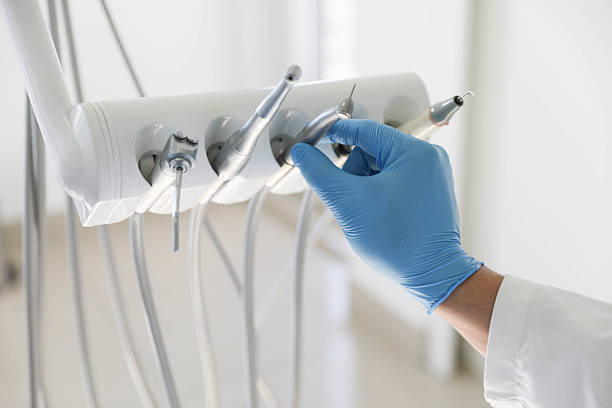
We remove plaque and tartar above and below the gumline, not just the visible surfaces. Below-the-gumline buildup is what a home toothbrush simply can't reach.
Bleeding or receding gums are flagged and discussed, not just noted and ignored. Catching gum disease early is far easier to treat than waiting until it's advanced.
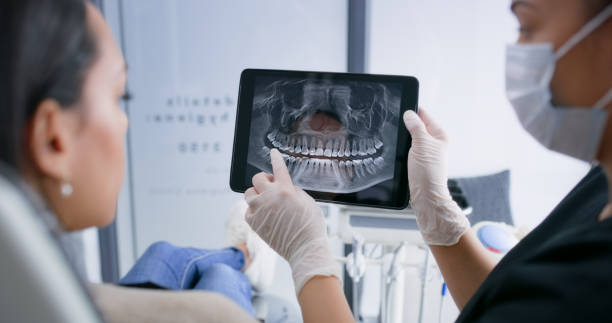
Bitewing X-rays catch decay between teeth that a visual exam alone would miss. We explain the interval we're recommending based on your actual cavity risk.
We document findings each visit, so a spot that's starting to change gets flagged before it becomes a cavity. We'd rather flag a watch-spot early than wait until it's an obvious cavity.
We explain each step as we go, not just work silently through the appointment.
We work carefully around the gumline where tartar tends to build up fastest. This is the core of what makes a professional cleaning different from brushing at home.
Smoother enamel resists new plaque buildup slightly better until your next visit. We use a paste appropriate for your enamel sensitivity.
We measure gum pocket depth around each tooth to catch early signs of gum disease. This screening happens at every visit, not just annually.
We only image what's actually due, explaining the interval based on your specific cavity history. Digital X-rays use significantly less radiation than older film methods.
Early detection matters most with oral cancer, which is why this screening is standard, not an add-on. We flag anything unusual for further evaluation.
A quick fluoride application strengthens enamel, especially useful for patients prone to cavities. Takes just a few minutes at the end of your cleaning.
We ask when your last cleaning was so we know what's due at this visit.
Your hygienist reviews prior visit notes before starting, not from a blank slate.
We explain any areas needing extra attention as we go, not after you're already home.
You leave knowing exactly what was found and when to come back.
"Fastest routine cleaning I've had, and they still caught a small cavity early before it became a bigger problem."
"Explained exactly why I was due for X-rays this visit instead of just doing them automatically."
"Oral cancer screening is something I didn't know was part of a routine cleaning. Reassuring that it's standard here."
"Gums used to bleed every cleaning elsewhere. They caught early gum disease here and it's already improving."
"They track my cavity risk over time and adjusted my X-ray schedule based on that, not just a blanket yearly rule."
Twice a year is standard, but we'll recommend a shorter interval if your exam shows a reason to. Your hygienist will tell you clearly which interval fits your case.
X-rays catch decay between teeth long before it's visible or causes pain — waiting for symptoms usually means a bigger problem. Pain is often a late sign, not an early one, which is exactly why imaging matters.
Some mild sensitivity during scaling is normal, but we can use gentler approaches if needed. Topical numbing options are available if scaling is uncomfortable for you.
We measure gum pocket depth around each tooth to catch early gum disease before it progresses to something more serious. We track these numbers over time, not just as a single visit snapshot.
Not necessarily — we recommend it based on your cavity risk and enamel condition, not as an automatic add-on. We'll explain why we are or aren't recommending it at your specific visit.
We'll tell you upfront what's covered and what isn't, so there are no surprises at checkout. We're happy to explain your specific plan's preventive care benefits before you book.
Our team serves Stanton and the surrounding zip codes with the same thorough approach at every recall visit. New patients and returning patients alike get the same full exam, not an abbreviated version.